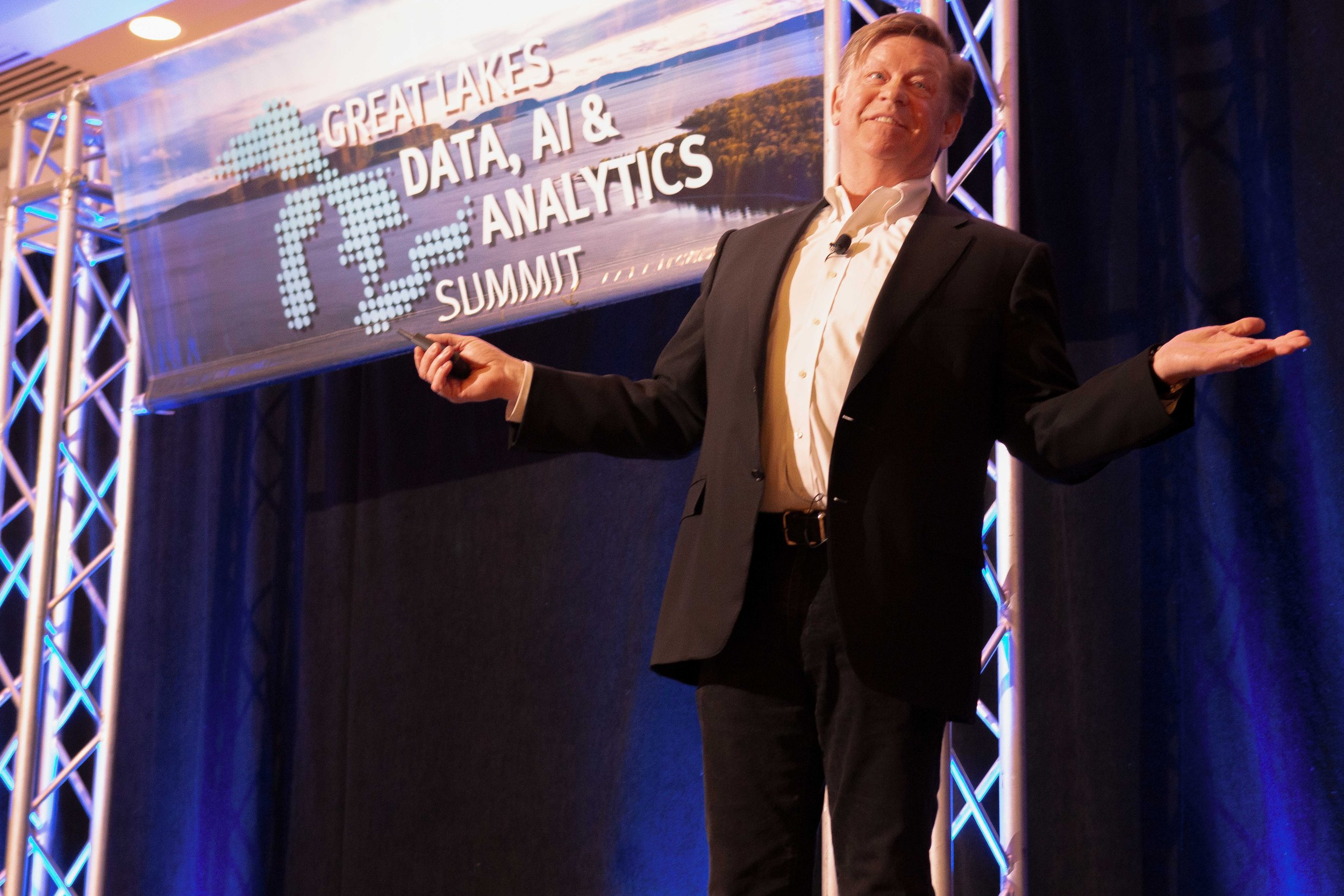
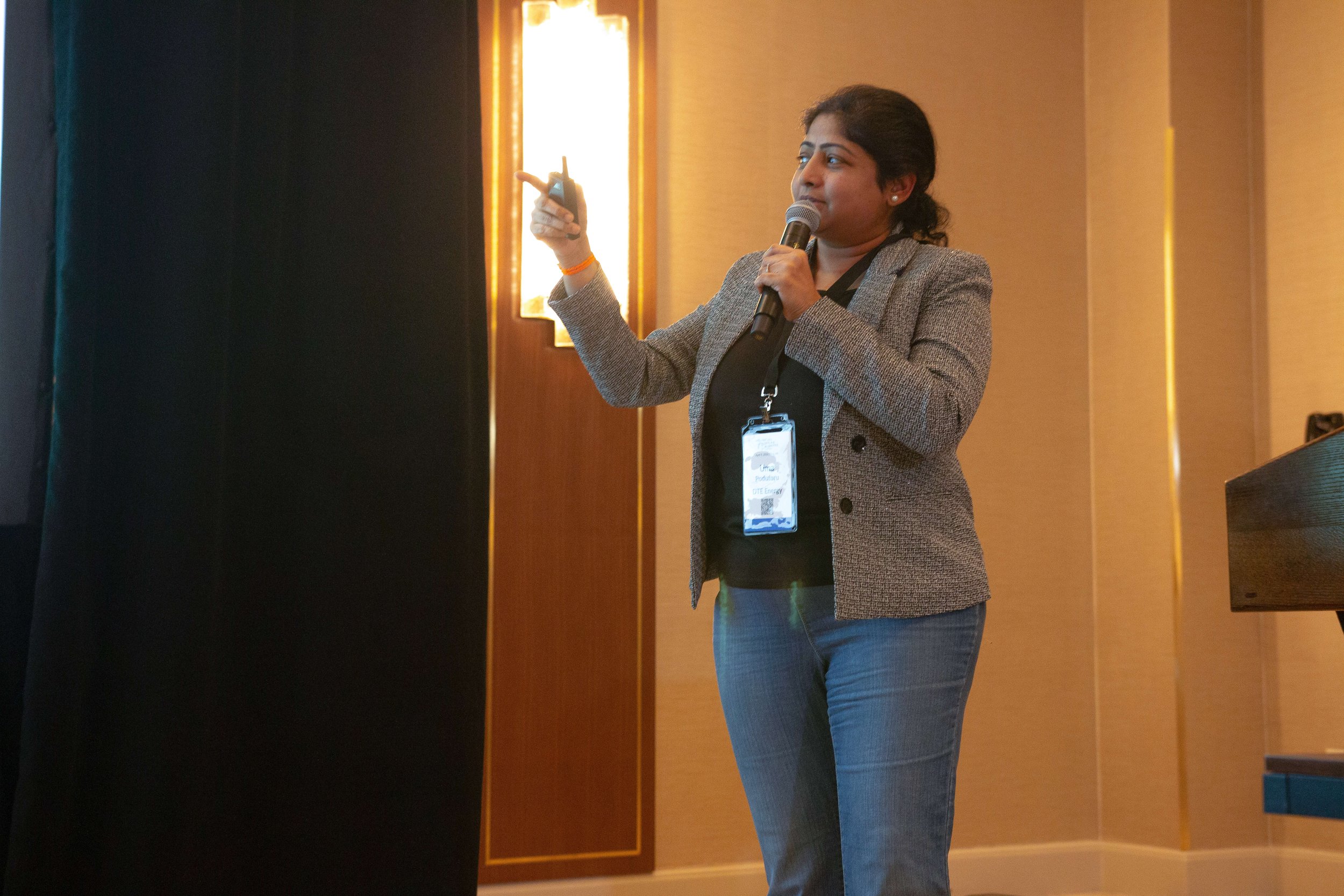
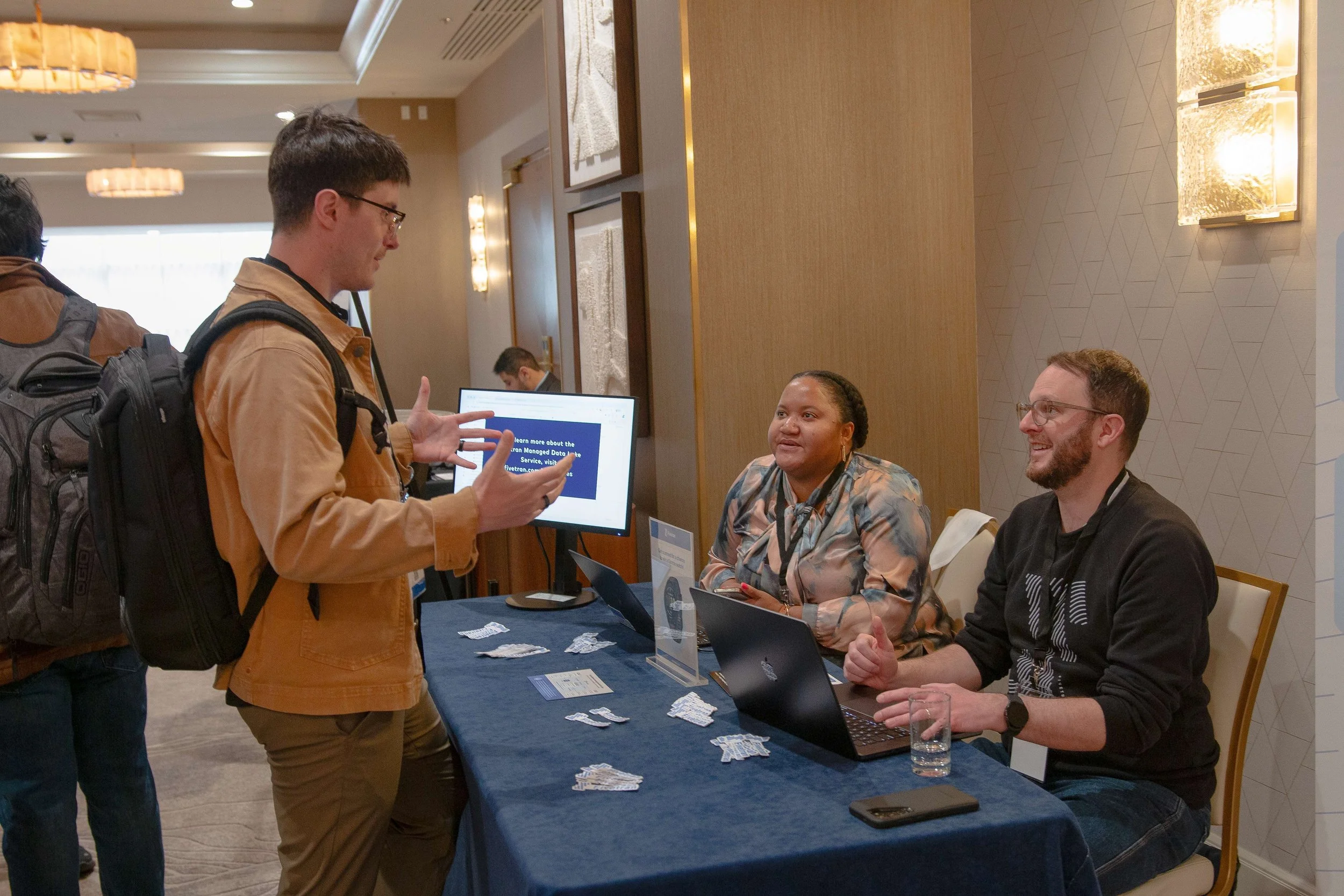
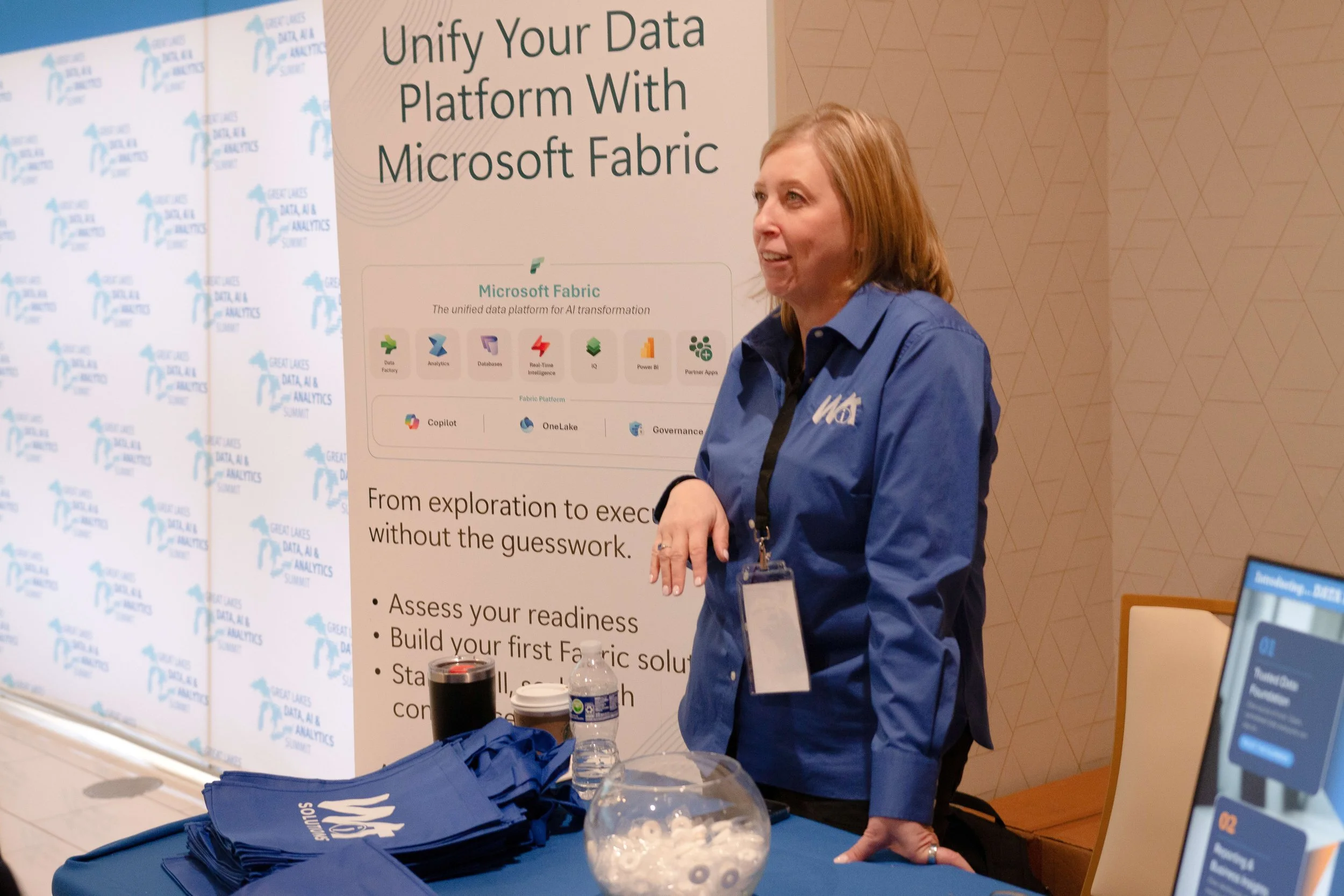
2026 Great Lakes Data, AI & Analytics Summit
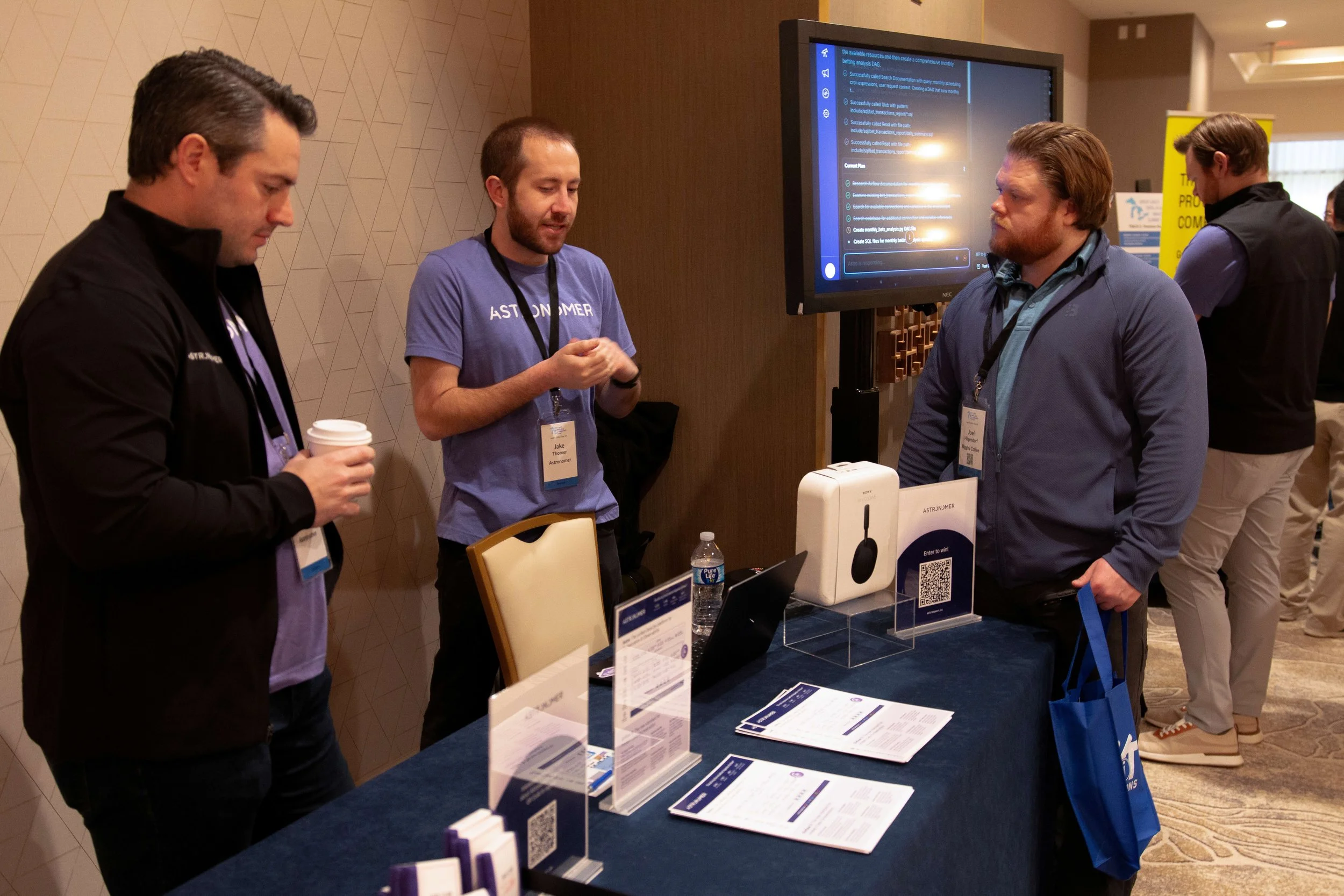
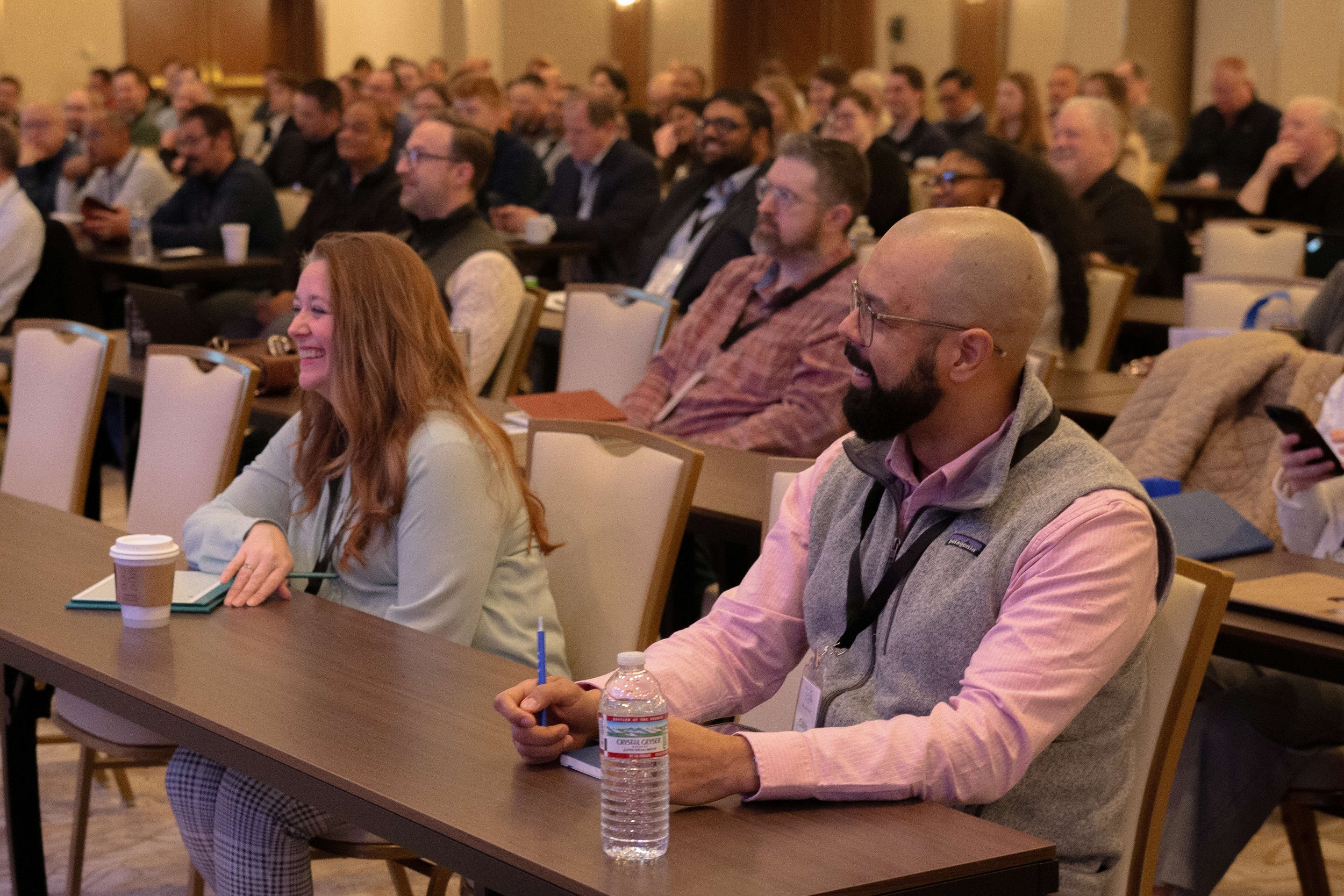
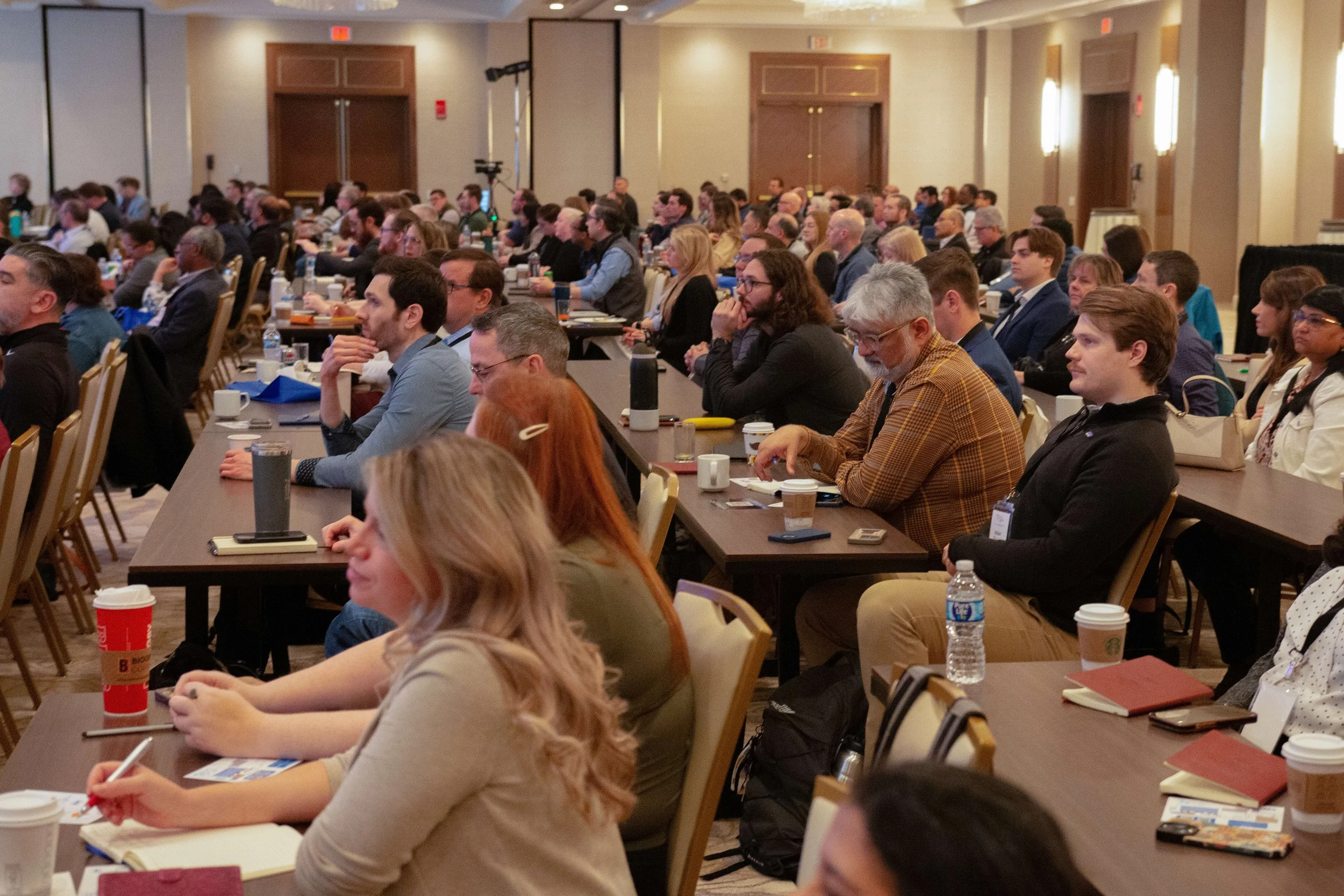
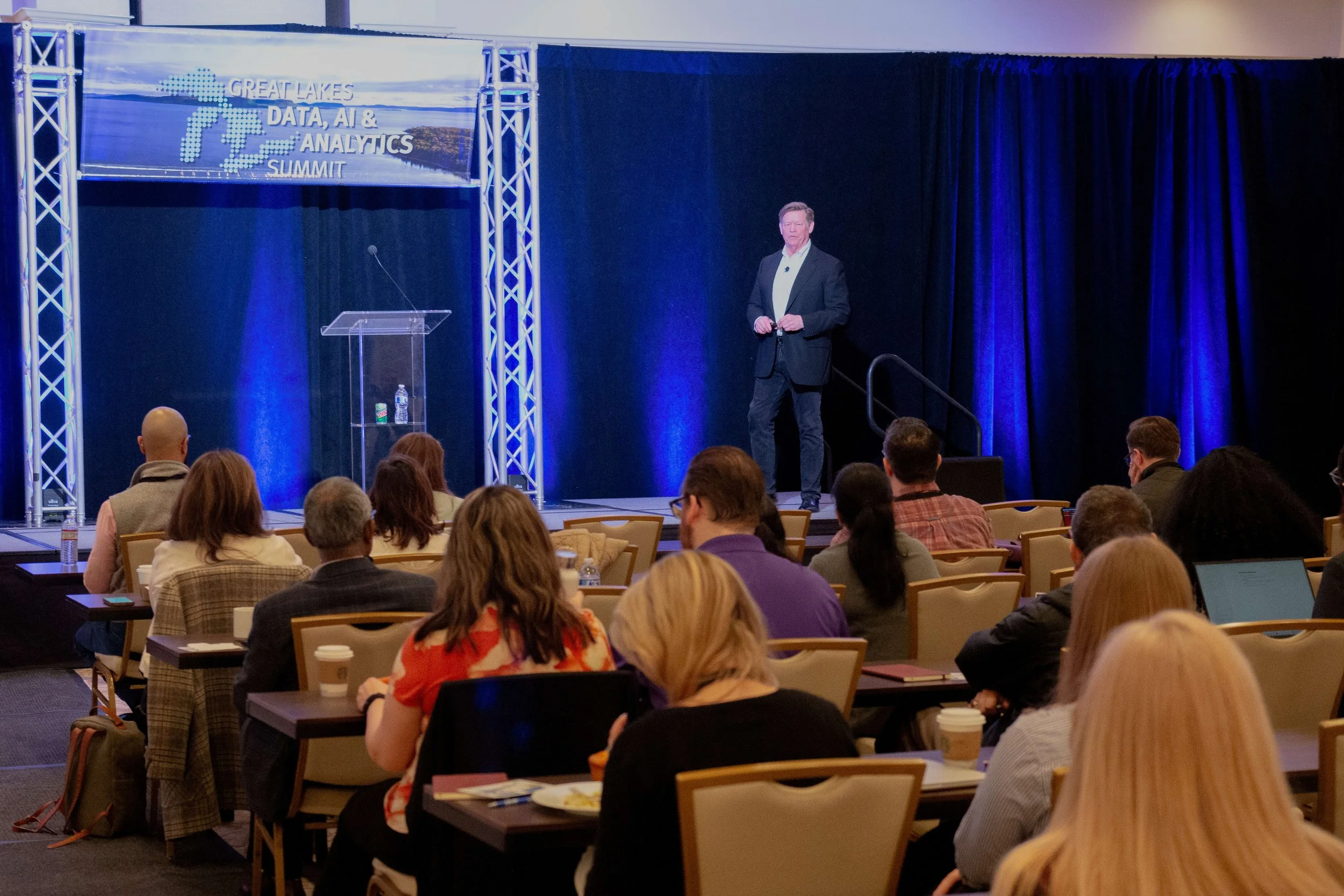
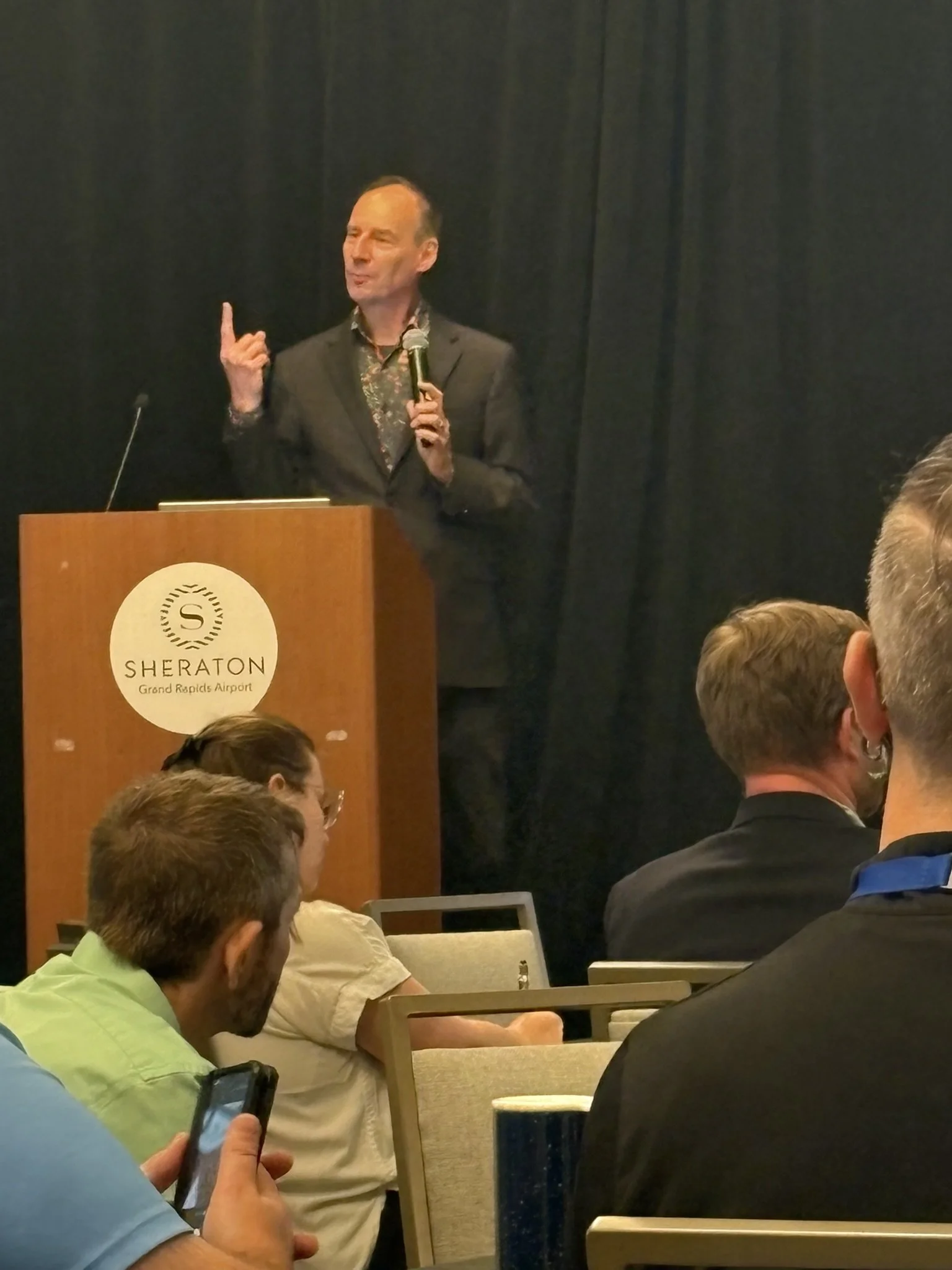
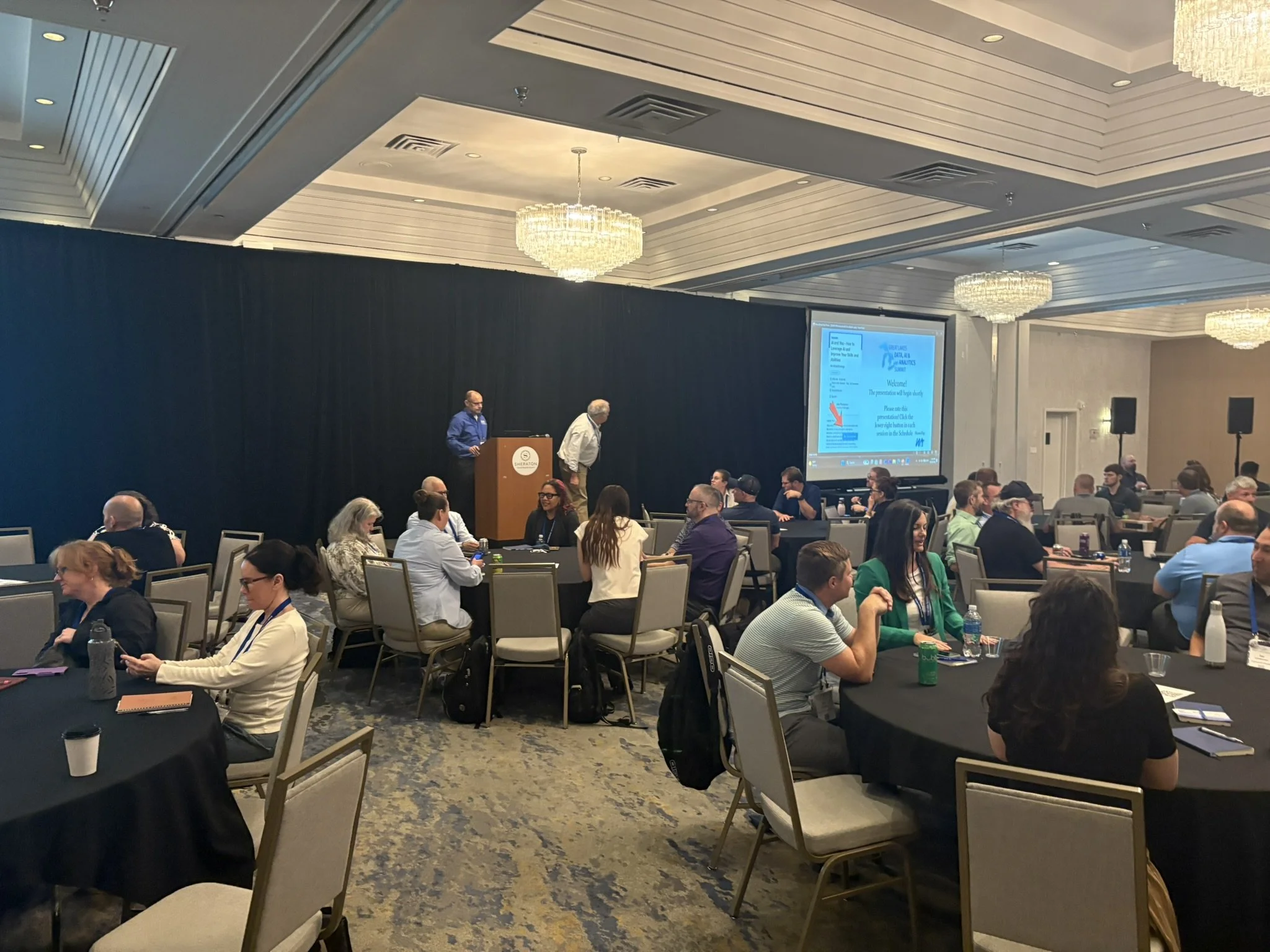
The Great Lakes Data, AI & Analytics Summit offers a unique one-day experience for professionals in analytics, IT, and business. Featuring keynotes from industry experts, in-depth case study sessions from local practitioners, software demonstrations from top vendors, and plenty of networking opportunities. Attendees will learn about the latest analytics software, best practices, and success stories to help them capitalize on data and analytics strategy, data governance, and extracting business value out of your data assets.
Drawing on 14 years of expertise in delivering the premier Great Lakes Summit experience across Metro Detroit, WIT is proud to bring this flagship event to Grand Rapids for the second annual event!
registration opens July 21!
thursday, september 10, 2026 | 8:00AM - 5:00PM
sheraton grand rapids airport | 5700 28th Street SE, Grand Rapids, Mi
Subscribe to our email list to learn more about the event and get updates on registration, speakers, sponsors, and sessions or check out past content in our Summit Resource Library.
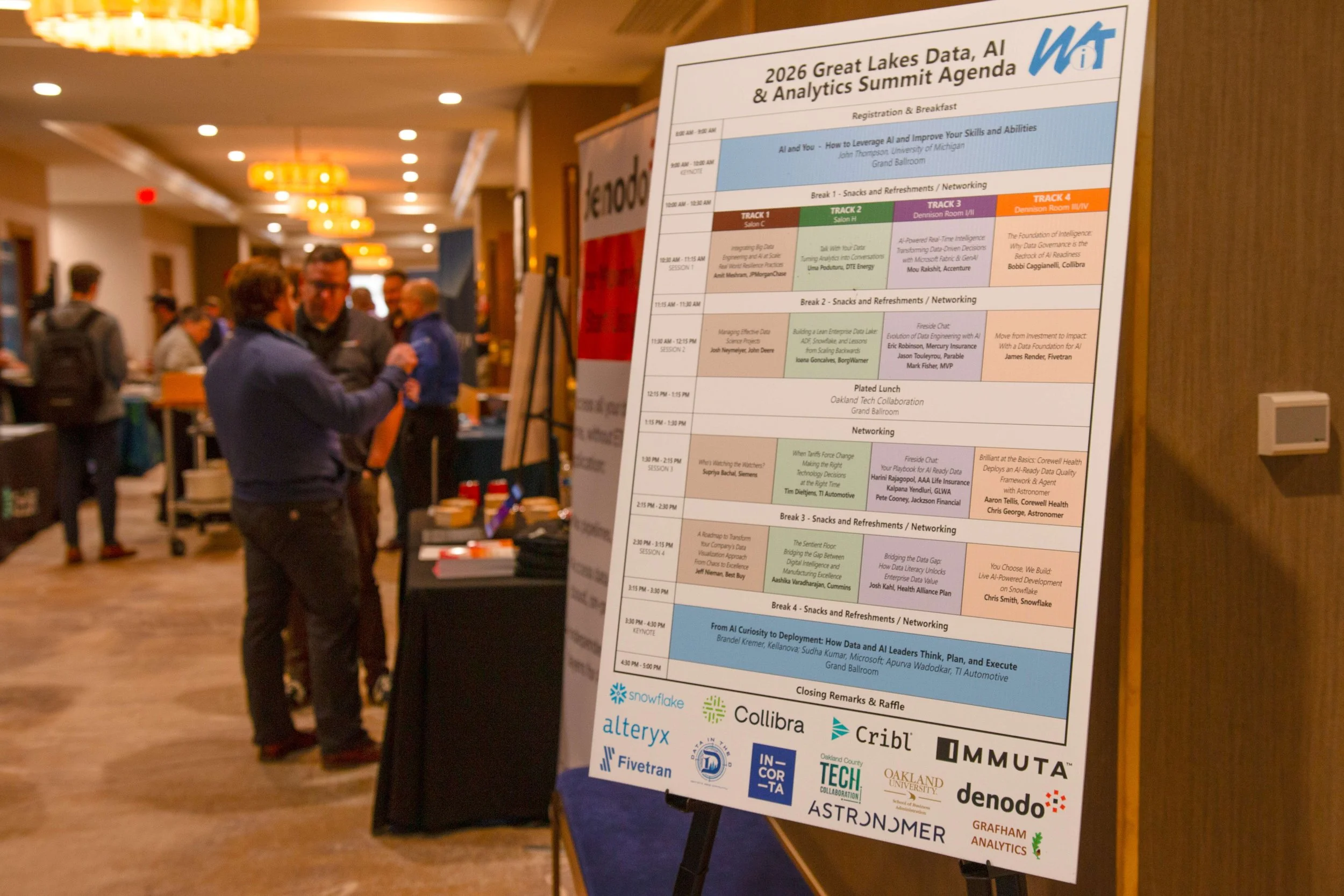
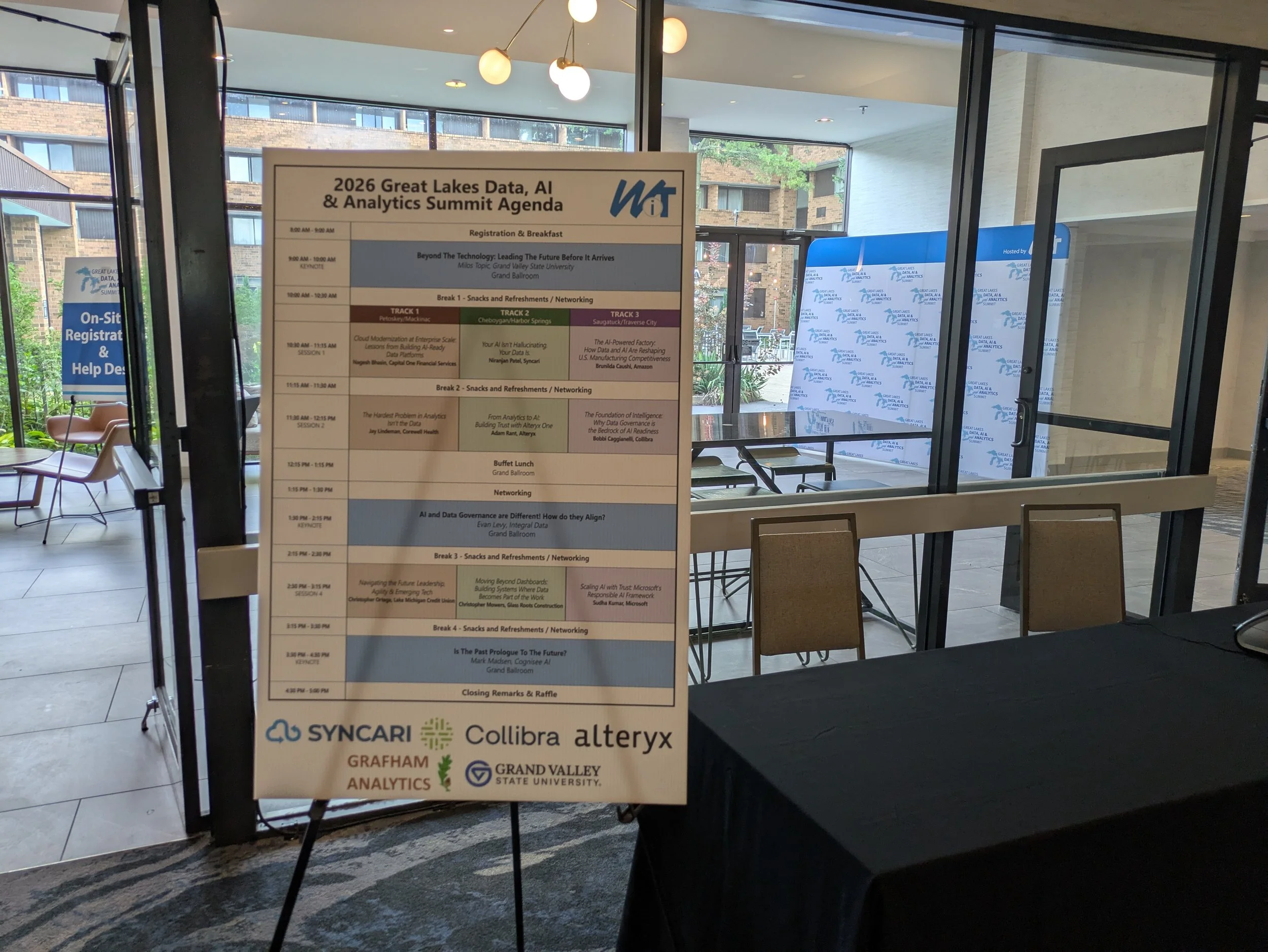
Agenda
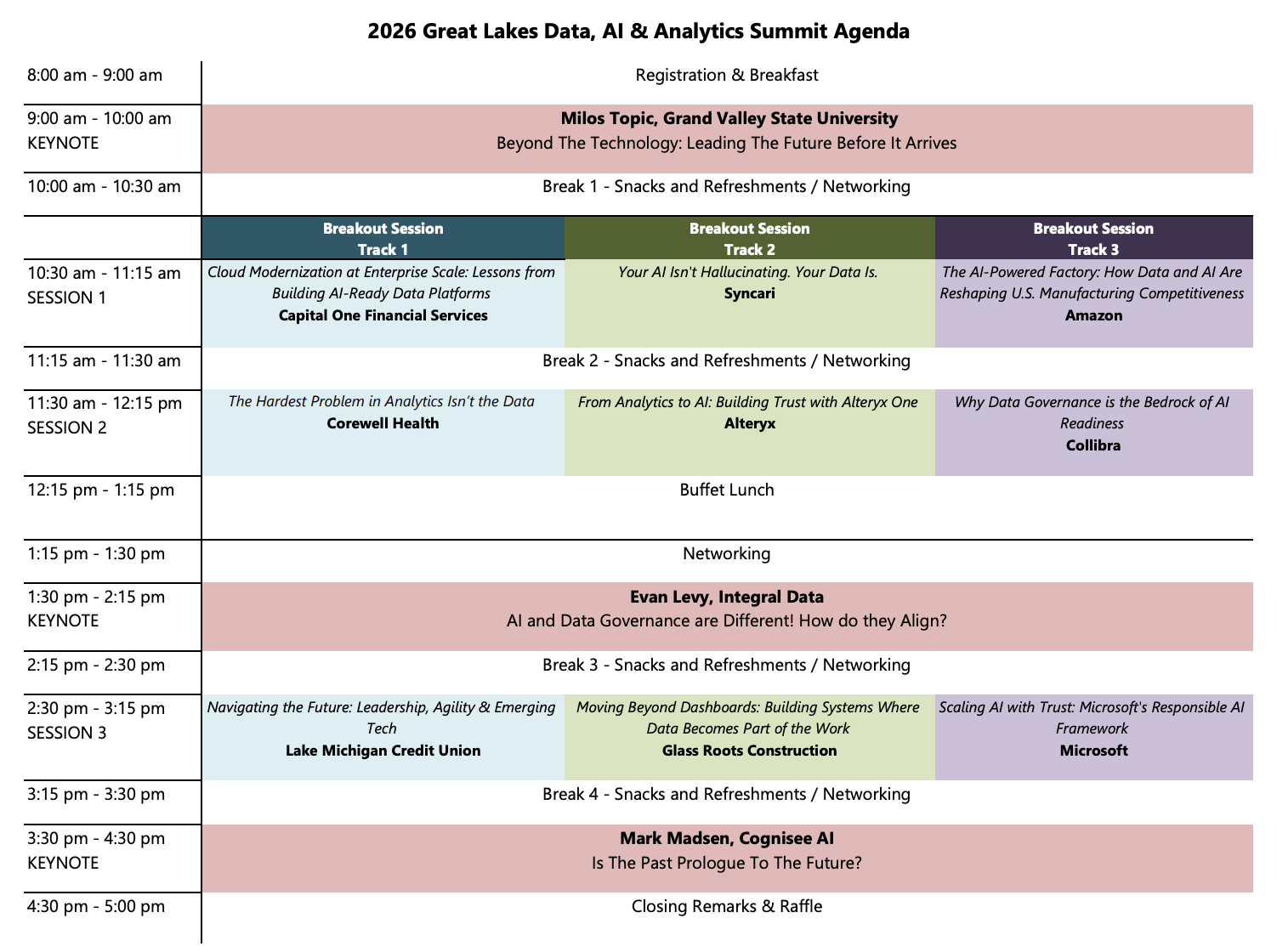
**Breakout session and keynote details will be added as they are confirmed
Keynotes
Miloš Topić is Vice President for Information Technology and Chief Digital Officer at Grand Valley State University. As vice president, Topić is the senior technology leader for the university and is responsible for the entire IT portfolio ranging from digital capabilities, infrastructure, security and application management across all of Grand Valley's academic and administrative areas.
Topić joined Grand Valley State University in August 2020 after serving as Vice President and Chief Information Officer at Saint Peter's University, where he was responsible for setting the strategic direction and overseeing the day-to-day operations of two divisions, information technology and operations. He has over twenty years of experience in positions of increasing responsibilities focused primarily on technology, innovation, strategy, operations and leadership. His experiences range from startups to Fortune 1000 companies to contributing across multiple public and private universities. Miloš’ responsibilities and experiences have included customer experience; business development and product design; project and portfolio management; information security; network and system engineering as well as programming and web development.
Miloš formal education includes a bachelor’s degree in computer science with a minor in mathematics; Masters of Science in Information Systems; an MBA and a Ph.D. in Business Administration. His dissertation research was focused on the role of Chief Information Officers (CIOs) in leading innovation within higher education. Additionally, Miloš is a frequent speaker on leadership, innovation, and building high-performing teams across a wide range of national professional networks and industries. Finally, Miloš has been advising corporate boards and C-suites on business strategy, digital possibilities, and innovation since 2008.
“We can see the computer age everywhere but in the productivity statistics.”
Robert Solow, Nobel laureate in Economics, 1987
The complaints about analytics and data have not changed substantially in 30 years, nor have our challenges with the work. If you follow industry marketing, the latest technology will solve these problems. Industry hype plus perennial complaints can lead you to believe that maybe we should have been doing something different all along.
These days the hype-driven question is "What are we going to do about AI?" Will ontologies resolve the problems of making sense of data? Will AI automate the job of maintaining the data plumbing? Can we eliminate our technical debt and resolve the data mess once and for all?
There is allure in ignoring what came before because our market is changing so rapidly, and sweeping away the old and start fresh. But what if the past is a prelude, constraining the paths of change, in which case we can't just start anew?
You’re told to move fast. You can't do nothing even if you believe that’s the right choice, and you probably shouldn’t burn everything down and start over. Robustness matters. Reliability matters. Governance and risk matter. You can move fast but it’s equally important to move effectively.
In this keynote Mark Madsen will provide an overview of why we’ve seemingly not made progress on key problems, the fundamental principles that underlie our operating models and technology changes, and how to approach the challenge of taking action to “do something about AI”.
Presented by: Mark Madsen, Cognisee AI
Mark Madsen is an award-winning analytics leader with 40 years of global experience helping organizations improve their operations and enable data-driven decision-making. His expertise in using data and analytics to augment decision-making led to the design of emerging technology and business projects around the world. This interdisciplinary experience gives him a unique and pragmatic view of the industry.
He got his start in AI at the University of Pittsburgh and did research on autonomous robotics at Carnegie Mellon University before moving into IT. His pioneering work in decision support earned him numerous awards and accolades. He was a VP of R&D and Fellow in the CTO Office at Teradata, held executive and management roles at vendors, at consultancies, and worked in many roles in businesses. Nonetheless, he is terrible at math until someone owes him money.
Breakout sessions
In this session, you will discover how data platforms are evolving into intelligent ecosystems that power next-generation decision engines. We will explore why data, context, governance, and action form the bedrock of trusted autonomous systems beyond mere foundational models.
Understand the Data Platforms Evolution: Discover how data platforms are shifting from traditional reporting systems into intelligent, governed ecosystems designed to power next-generation, context-aware decision engines.
The Pillars of Execution: Learn why data, context, governance, and action form the bedrock of trusted autonomous systems and why intelligent automation requires more than just foundational models to deliver business value at scale.
Architecting for the Future: Explore how to prepare your organization for the next wave of enterprise transformation by building action ready architectures that seamlessly connect trusted data, business context, policy, and real-world execution.
Presented by: Nagesh Perumalla, Capital One Financial
Nagesh Perumalla is an award-winning Principal Data Architect at Capital One. He brings a deep, practical perspective to data modernization, guiding enterprise ecosystems from legacy infrastructure to cloud-native, AI-driven lakehouse architectures. Nagesh specializes in designing and optimizing scalable, real-time analytics platforms across AWS, GCP, Azure, Snowflake, and Databricks. An IEEE Senior Member and recognized data architect, he seamlessly integrates enterprise data with advanced AI/ML architectures.
He holds a Master’s degree in Computer Science from the University of Illinois and maintains an elite portfolio of industry-recognized AI, ML, and advanced architecture certifications from AWS, Google Cloud, Databricks, and Snowflake.
The emergence of large language models, machine learning, and other AI technologies has revolutionized the way data, analytics and decision-making are used in business. AI processes large data volumes in order to identify patterns, answer questions, and generate insights. The capabilities are striking – but there are limitations. It’s susceptible to errors; bias, data misuse, and possibly law or policy violation. AI governance has emerged as a discipline focusing on the ethics, integrity, and auditability of data usage and processing.
This presentation will review some real-world examples of AI Governance and Data Governance - and discuss the similarities, differences, and intertwined relationship of both. We’ll also discuss the common structures, the stakeholders, and why both are crucial for Analytics and AI development success.
Presented by: Evan Levy, Integral Data
Evan Levy is a consultant and speaker specializing in Enterprise Data Strategy, Artificial Intelligence, and Analytics. He advises clients on addressing business challenges through their existing data, combined with emerging tools and modern practices.
Evan has spent his career delivering technology solutions spanning software product development and industry-focused consulting. He has managed high-profile implementations for Fortune 500 clients across financial services, retail, telecommunications, health/life sciences, government, and insurance.
Prior to his current role, Evan served as Sr. VP of Data Management and Applications at Centene and VP, Business Consulting at SAS. He also co-founded Baseline Consulting, a boutique firm acquired by SAS.
Evan writes for leading industry publications and is a featured speaker and instructor at major industry events. He is also a Research Fellow and faculty member at TDWI and an adjunct professor at the University of Maryland.
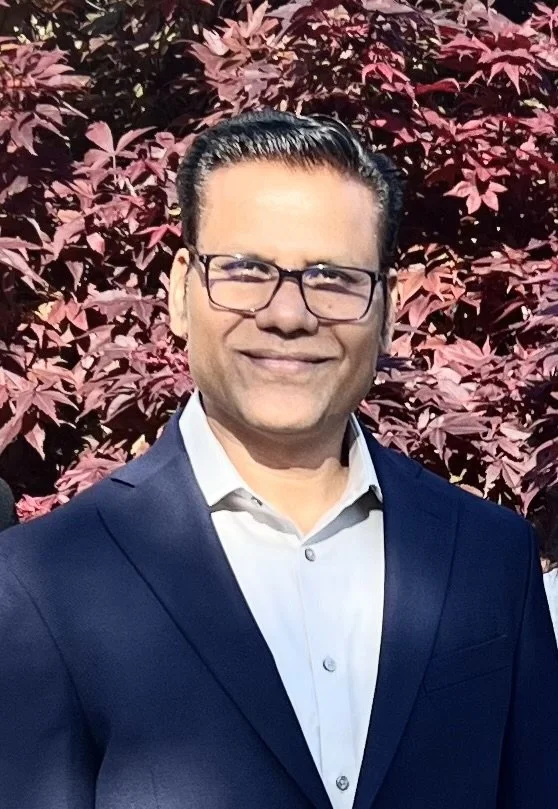
Organizations often invest heavily in dashboards, reports, and analytics tools, only to find that better data does not automatically lead to better decisions. The real challenge is not just producing information. It is making data part of the way people work.
In this session, Christopher Mowers will explore how teams can move from passive reporting to operational data systems that actively support decisions, accountability, and process improvement. Drawing from his work leading enterprise systems in a growing construction company, Christopher will share practical ways to connect analytics, automation, and business-user tools so data becomes embedded in daily operations rather than isolated in spreadsheets or dashboards.
While this is not primarily a session about AI, it will also address why this kind of systems work is essential groundwork for effective AI. Organizations cannot meaningfully advance into AI-assisted analytics, conversational insights, or higher levels of automation if their data is fragmented, disconnected, or untrusted.
Attendees will leave with a practical framework for thinking about data not as a separate technical function, but as a living part of organizational operations.
Presented by: Christopher Mowers, Glass Roots Construction
Christopher Mowers is Director of Enterprise Systems at Glass Roots Construction, where he leads the design and evolution of the systems the company runs on. His work focuses on building operational platforms that combine automation, analytics, and business-user tools so data becomes part of how work actually gets done.
Christopher works at the intersection of technology, operations, and human behavior, with a focus on designing systems that teams adopt and that scale as organizations grow. He is a regular contributor to the Zoho Developer Community, and his work has been featured by the Zoho Creator team during Developer Month, by Catalyst by Zoho in the Meet the Makers series, and at Zoholics US.
Christopher is an AWS Certified Developer Associate, a member of the Association for Computing Machinery, and is pursuing a Master’s degree in Computer Science at Ball State University.
U.S. manufacturers are under pressure to modernize, reshore operations, and compete globally — all while navigating a shrinking skilled workforce and decades of legacy infrastructure. The old playbook of competing on labor cost is over. The new playbook is competing on intelligence.
In this session, Brunilda Caushi explores how AI and data are becoming the great equalizers for American manufacturing — enabling factories to do more with less and fundamentally shifting what's possible on U.S. soil.
But technology alone isn't the answer. The biggest barriers to AI adoption in manufacturing aren't technical — they're human. Skilled labor gaps, aging institutional knowledge, and organizational resistance to change all stand in the way. The shop floor and the C-suite often speak entirely different languages when it comes to AI, creating a trust gap that stalls even the most promising initiatives.
Brunilda breaks down what it actually takes to move past these blockers: building a modern industrial data stack that connects legacy systems to real-time AI — not through a costly rip-and-replace, but through pragmatic, incremental evolution. She'll share what "AI in production" really looks like versus the pilot purgatory most manufacturers are stuck in.
The payoff? Factories that operate like software companies — iterating, learning, and adapting at speed. A competitive advantage that compounds over time. And ultimately, an economic case for bringing manufacturing home that actually pencils out.
Attendees will walk away with a clear understanding of:
- Why organizational change matters as much as technology selection
- What a modern manufacturing data architecture looks like in practice
- How AI augments a smaller workforce rather than replacing it
- The connection between AI adoption and U.S. economic resilience
Presented by: Brunilda Caushi, AWS
Brunilda Caushi is a Technology Executive specializing in Physical AI, Autonomous Systems, Digital Engineering, Robotics, and Software Defined Platforms. She currently serves as an Industry Strategist at Amazon Web Services (AWS), advising Automotive and Manufacturing organizations on their most complex digital transformation challenges.
Brunilda operates at the intersection of physical and digital worlds — helping enterprises harness AI, data, and cloud-native architectures to reimagine how products are designed, built, and operated. Her work spans the full innovation lifecycle, from intelligent edge systems to enterprise-scale industrial modernization.
Brunilda is passionate about helping U.S. manufacturers bring operations back to American soil. She believes that by empowering companies with AI and data-driven technologies, we can reduce economic stress and build a more resilient industrial future.